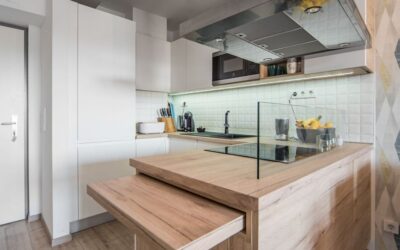
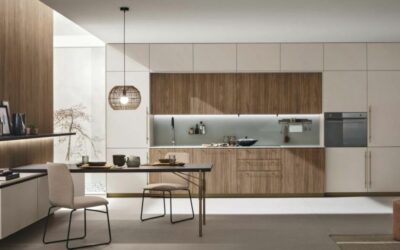
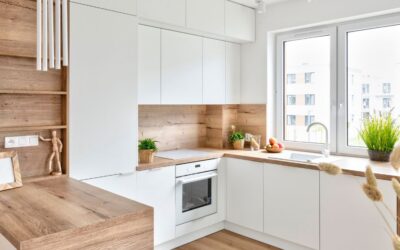
It is only natural that as we get older, our physical needs change. Our homes must therefore adapt to these changing requirements. The kitchen is typically one such area in the home, and we’d now like to offer a few pointers on what to look out for if you’re looking to create a functional, safe kitchen for yourself or a retired family member.
These are definitely worth paying attention to
Wide doors / corridors. The width of doors and corridors should be determined so that they are suitable for comfortable movement in a wheelchair or with a walking frame. We hope it won’t be necessary, but it’s worth bearing this in mind.
Low threshold. We should minimise or – where possible – remove any steps or thresholds at the entrance to the kitchen to prevent people from tripping or falling.
Handles. Let’s choose handles that are as easy as possible to grip, as our motor coordination may decline over time.
Open shelving systems. This makes it easier to reach kitchen utensils, reducing the need to bend down or stretch.
Flooring and lighting
Non-slip flooring. Choose floor coverings that provide good grip and are non-slip, thereby reducing the risk of slipping and falling. Avoid small rugs or doormats, which could cause you to trip.
Appropriate kitchen lighting. Let’s make sure the space is well lit, particularly in the work areas. Task lighting is ideal for illuminating specific work areas.
Accessible kitchen cupboards and storage units
Pull-out shelves. Fitting these into the base units makes it easier to reach pots, pans and other items, reducing the need to bend down or stretch.
Available heights. Keep frequently used items at a convenient height, so as to avoid having to use ladders or reach above your head.
Kitchen equipment and fittings
Built-in ovens. A built-in oven positioned at a comfortable height eliminates the need to bend down, which can pose a risk of burns or injury.
Induction hobs. These offer a safe option, as they heat only the cookware and not the surrounding surface. They usually feature touch controls, which are easier to use for those who have difficulty moving their fingers.
Touch-free taps. These taps are convenient and hygienic, reducing the need to grip or turn them. What’s more, they don’t need to be cleaned as often.
Let’s leave the planning to a professional
Although these design principles provide a starting point, it is essential to work with a professional who is experienced in kitchen design. They can help you create a layout tailored to your specific needs. With the right design and modifications, your kitchen can remain the heart and soul of your home for many years to come, allowing you to enjoy the comforts of home.
If you feel you would like high-quality kitchen furniture tailored to your specific needs, please do not hesitate to contact us! Thanks to our decades of experience and our in-house production facilities, we are able to meet individual requirements flexibly and promptly. We look forward to hearing from you via our contact details! And if you’re looking for some inspiration, take a look at our portfolio via the link below: KITCHEN FURNITURE REFERENCES