In recent years, interior design trends have brought a fresh look to various rooms in the home, and the kitchen is no exception. The use of subtly ribbed surfaces is becoming increasingly popular, and works particularly well in kitchens, where this technique lends a touch of subtle elegance to the space. In this article, we’ll show you the different ways this technique can be applied in kitchen design, and what to look out for to ensure it results in a stylish interior.
Using the vertical chiselling technique, we can create a thin surface decorated with uniform indentations. This technique originally stems from ancient Greek and Roman architecture, where it was used to decorate temples and columns to achieve a dynamic, delicately textured effect. In modern interior design, the technique is used to decorate furniture, walls, cupboard doors and various surfaces, reinterpreting this ancient style to suit contemporary tastes.

Why choose ribbed surfaces for the kitchen?
An elegant and timeless design
It goes very well with a variety of styles, so it can be easily incorporated into both minimalist, modern and classic interiors.
It catches the eye
The continuous pattern of straight, vertical lines lends a sense of playfulness and adds a new dimension to the interior. This solution works particularly well with kitchen units that are understated and minimalist in terms of colour or material, as it stands out against the smooth surfaces, thereby breaking up their monotony.

A delicately textured finish
The ribbed surfaces are a pleasure not only to the eye but also to the touch. This texture lends the kitchen a subtle elegance, ensuring it will never go out of fashion, even as time goes by.
A play of light and shadow
The texture of the ribbed surfaces allows our kitchen furniture to take on different appearances throughout the day as the light changes. The play of shadows enhances the kitchen’s atmosphere, taking the room’s ambience to a whole new level.

Where and how do we use it?
Kitchen islands and worktops
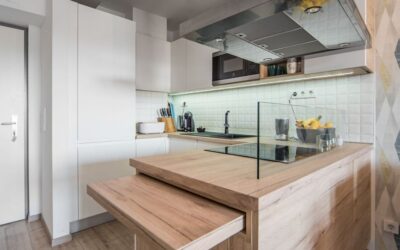
The kitchen island is one of the most popular places to incorporate this design feature. The island’s ribbed sides not only create a visual focal point in the space, but also add texture to the centre of the kitchen.
Cabinet fronts
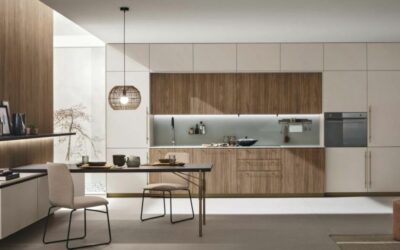
The ribbed surfaces of kitchen cupboards lend a clean yet distinctive look. They look superb even on modern, minimalist cupboards, as their simplicity means they do not detract from the overall aesthetic of the kitchen. Combined with low-profile handles or concealed opening mechanisms, they create a truly elegant effect.
Wall coverings
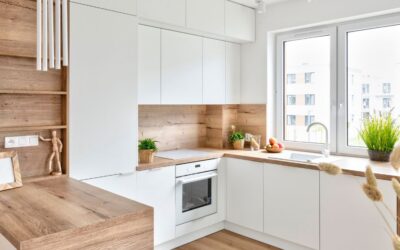
It is also ideal for use on back walls, for example between the worktop and the wall units. A ribbed wall cladding adds an extra dimension to the wall, whilst maintaining the clean lines of the kitchen’s overall design.

How should we maintain ribbed surfaces?
Kitchen units made using this technique are easy to maintain, but it is important to ensure they are cleaned regularly, as the ribbed surfaces are more prone to trapping dirt. Dust and dirt can be easily removed with a soft brush or a damp cloth. It is best to avoid harsh scouring agents, which can damage the surface.

If you’re also taken with this solution and would like to discover how you can create a unique and elegant atmosphere in your kitchen with it, we’d love to welcome you to our showroom! During a free consultation, our experts will help you design your dream kitchen, where you can see the different materials, colours and textures for yourself. Whether you’re planning a complete kitchen refurbishment or simply want to rethink a few elements, our experienced team will answer all your questions. Book an appointment today, and take the first step towards a stylish and timeless kitchen!