Clear worksheet
Benefits
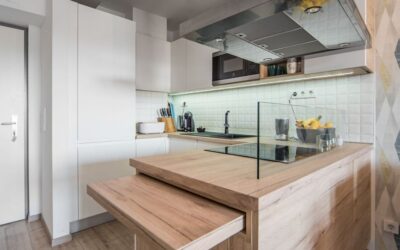
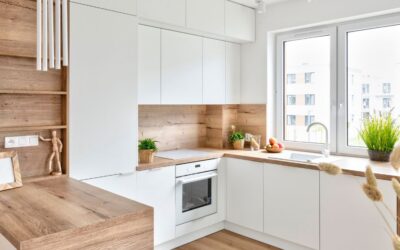
It opens up the space. Light-coloured worktops make the space appear more spacious, making them particularly suitable for smaller kitchens.
Easy to clean. Minor marks and scratches are less noticeable on light-coloured surfaces, making them easier to keep clean.
Freshness and simplicity. Light-coloured worktops generally lend a calm, spacious and welcoming atmosphere to a room; if naturalness and simplicity are your aim, this could be the perfect choice.

Disadvantages
Sensitivity to contaminants. Although smaller stains are harder to see, light-coloured surfaces can be susceptible to more stubborn stains and coloured liquids.
It may fade over time. Over time, light-coloured worktops are more likely to lose their original lustre and colour.

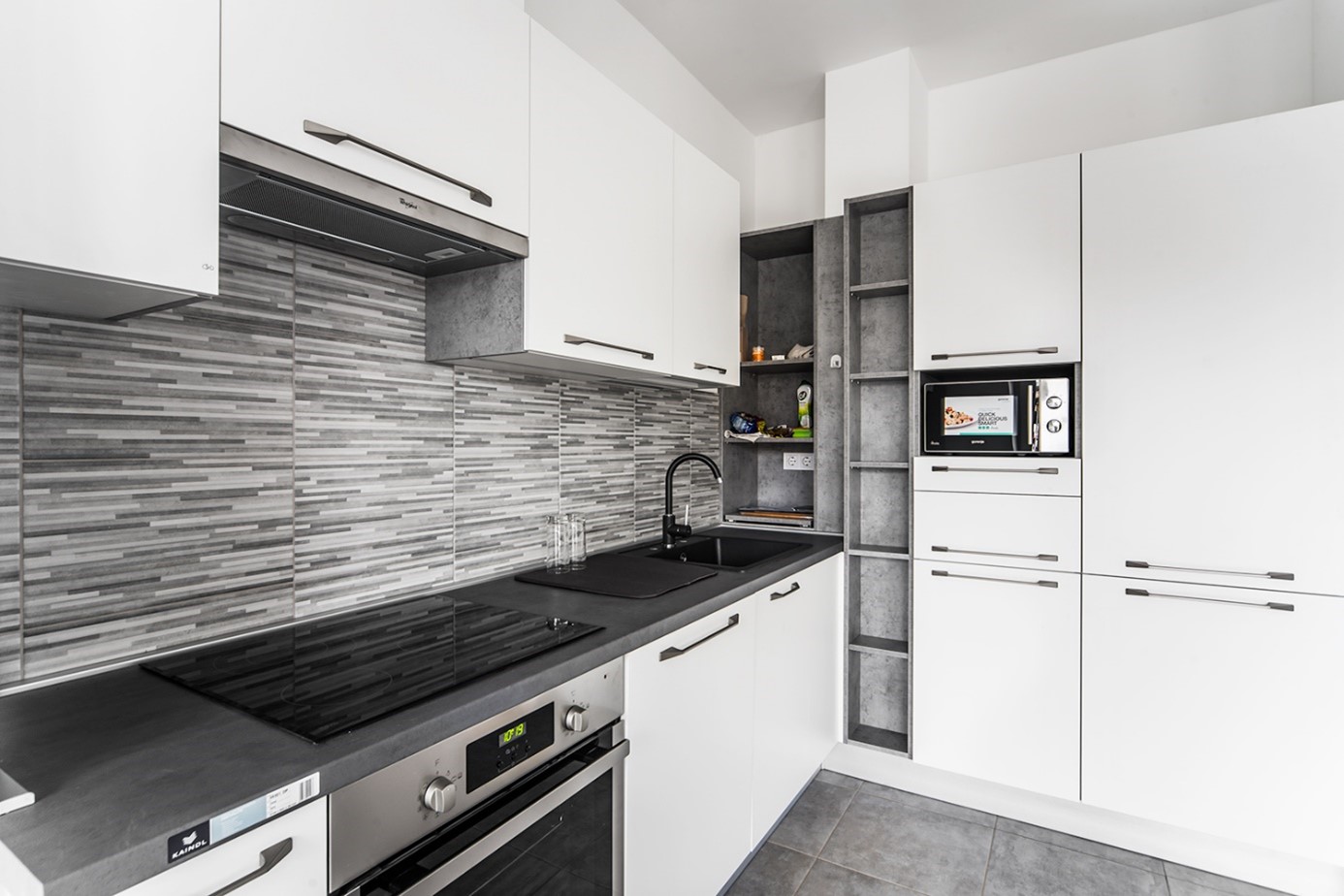
Dark worktop
Benefits
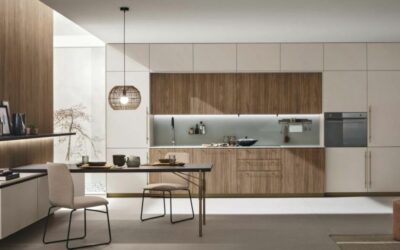
Elegance. Dark worktops lend the kitchen an air of elegance and a modern look. If you want to create a bold, striking kitchen, a dark worktop could be the ideal choice. Darker shades can also highlight the shape and colour of your kitchen units.
Less noticeable wear and tear. As well as being stylish, worktops with a black, grey or dark wood finish are often more practical, as signs of wear and tear and dirt caused by everyday use are less visible on them.
Atmosphere and cosiness. Dark shades can create an intimate and warm atmosphere in the kitchen, especially when combined with the right lighting.

Disadvantages
It may make the space feel smaller. Dark worktops can make a space feel visually cramped, so you need to proceed with caution in smaller kitchens. If your kitchen has plenty of natural light, a dark worktop won’t feel oppressive. Otherwise, however, it is better to opt for a light-coloured worktop to avoid creating a dark and oppressive atmosphere.
More maintenance. Fingerprints and grease marks are more visible on dark worktops, which means they require regular cleaning and maintenance. Food residues and oily stains can also be more noticeable on them.

When choosing a worktop for our kitchen units, it is important to strike a balance and create harmony between the kitchen units and the worktop. As well as carefully weighing up the pros and cons, the choice also depends partly on our personal taste and the style of the rest of the kitchen. In a modern and minimalist setting, light-coloured worktops can look stunning, whilst in a more elegant, cosy kitchen, dark worktops can create a striking effect. All in all, both options can really enhance the kitchen space, so the final decision depends on our individual preferences and the characteristics of our kitchen.